Raksha Bandhan is one of the most heartwarming festivals in the Hindu calendar. It celebrates the special bond between brothers and sisters, but its meaning goes far beyond tying a simple thread around the wrist. It brings families together, revives childhood memories, and creates moments filled with affection, blessings, laughter, and gratitude. From choosing a beautiful Rakhi to preparing traditional sweets, exchanging gifts, and sharing heartfelt wishes, every part of the celebration adds something meaningful.
If you are searching for when is Raksha Bandhan 2026, the festival will be celebrated on Friday, August 28, 2026, in India. Raksha Bandhan falls on the full moon day, or Purnima, of the Hindu month of Shravana.
The festival is also known simply as Rakhi. On this day, sisters traditionally tie a Rakhi around their brothers’ wrists and offer prayers for their happiness and well-being. Brothers give gifts and express their love and support in return. Today, the celebration has evolved in many ways, yet its emotional heart remains the same: cherishing the sibling relationship and celebrating family love.
Raksha Bandhan 2026 Date and Day
Raksha Bandhan 2026 will be celebrated on Friday, August 28, 2026, in India. It falls on Shravana Purnima, the full moon day of the Hindu month of Shravana.
The date is based on the Hindu lunar calendar, so Raksha Bandhan does not fall on the same Gregorian date every year. This is why people often search for the exact Rakhi date well before the festival.
For 2026, the Purnima Tithi begins on August 27 and ends on August 28. Exact timings for the Rakhi ceremony can vary by location because Hindu Panchang calculations depend on local sunrise and sunset. For example, Drik Panchang lists different ceremony windows for cities in India and Pakistan.
This makes it useful to check a local Panchang if your family follows traditional Muhurat timings.
For many families, knowing the date early helps with travel plans, Rakhi shopping, gift selection, family gatherings, and preparations for the ceremony.
Why Raksha Bandhan Is Celebrated
Raksha Bandhan celebrates the bond between siblings. The word Raksha refers to protection, while Bandhan means a bond or connection. Together, the name reflects the emotional promise associated with the festival.
Traditionally, a sister ties a Rakhi on her brother’s wrist and prays for his health, happiness, prosperity, and long life. The brother responds with affection and a promise of care and support.
However, the idea of protection is not limited to one side of the relationship. Modern siblings often see Raksha Bandhan as a mutual promise to stand beside each other through different stages of life.
That is what makes the festival so meaningful.
A brother may remember helping his sister during childhood. A sister may remember encouraging her brother before an important exam or standing beside him during a difficult moment. These memories become part of the emotional story behind the Rakhi.
The festival therefore celebrates more than a ritual. It celebrates trust, loyalty, affection, respect, and lifelong companionship.
Significance of Raksha Bandhan in Indian Culture
Raksha Bandhan has an important place in Indian culture because it brings personal relationships and family traditions together.
The festival is traditionally associated with Shravana Purnima and is observed through Rakhi ceremonies, prayers, sweets, gifts, and family gatherings. Different communities and regions may have their own customs, stories, and ways of celebrating the day.
For some families, the day begins with prayers and preparations at home. For others, the main focus is a family meal and a Rakhi ceremony. Some siblings live in different cities or countries, so they celebrate through video calls and send Rakhis or gifts by post.
Despite these differences, the central idea remains consistent.
Relationships deserve time, appreciation, and care.
Raksha Bandhan also gives families an opportunity to reconnect. Adults who become busy with work and responsibilities may rarely spend quality time together. A festival creates a natural reason to pause, visit loved ones, share memories, and enjoy each other’s company.
That emotional connection is one of the reasons Raksha Bandhan remains relevant even as lifestyles change.
Traditional Rakhi Ceremony and Rituals
The traditional Raksha Bandhan ceremony is simple but deeply symbolic. Families may follow slightly different customs, but the ceremony often includes a Rakhi, a Puja thali, sweets, prayers, and gifts.
A typical Rakhi ceremony may follow these steps:
First, the family prepares a clean and decorated Puja thali. It may contain a Rakhi, roli or kumkum, rice grains, sweets, a diya, and other traditional items.
The sister then invites her brother to sit for the ceremony. She may apply a tilak to his forehead and offer prayers for his well-being.
Next comes the most recognizable part of the celebration: tying the Rakhi around the brother’s wrist.
The brother may then offer a gift to his sister. In many families, sweets are exchanged, blessings are given, and everyone enjoys a festive meal together.
The exact ritual can vary according to family traditions. What matters most is the intention behind it.
The Rakhi represents a bond of affection and goodwill. The prayers represent wishes for happiness and prosperity. The exchange of gifts expresses appreciation.
Meaning Behind Tying a Rakhi
A Rakhi is more than a decorative thread or bracelet. It is a visible reminder of a relationship built over many years.
When a sister ties the Rakhi, the gesture symbolizes affection, blessings, and the bond she shares with her brother. Traditionally, the brother’s response represents a promise of protection and support.
But the deeper meaning can be understood in a broader way.
Siblings protect each other emotionally. They give advice, share secrets, defend one another, celebrate achievements, and offer comfort during difficult times. As children, they may argue over small things. As adults, they often realize how valuable that relationship truly is.
The Rakhi becomes a reminder of that lifelong connection.
For some siblings, the relationship is playful and full of teasing. For others, it is quiet and supportive. Some siblings live together, while others live thousands of miles apart.
The thread connects all these experiences through one simple message: you matter to me, and our relationship matters.
Brother-Sister Bond and Childhood Memories
Few relationships carry as many childhood memories as the bond between siblings.
Brothers and sisters often grow up sharing the same home, family traditions, school stories, celebrations, and everyday adventures. They may fight over television remotes, food, toys, or personal space. Yet those little disagreements often become funny memories later.
Raksha Bandhan brings many of those memories back.
A sister may remember secretly planning how to tie the Rakhi before her brother runs away. A brother may remember saving part of his pocket money to buy a gift. Parents may remember taking photographs of their children during their first Rakhi ceremonies.
As siblings grow older, life becomes more complicated. Careers, marriage, studies, travel, and responsibilities can create distance.
Raksha Bandhan creates a moment to reconnect.
That is why the festival can feel emotional even when the ceremony itself is simple. A Rakhi can represent years of shared experiences.
Heartfelt Raksha Bandhan Wishes and Messages
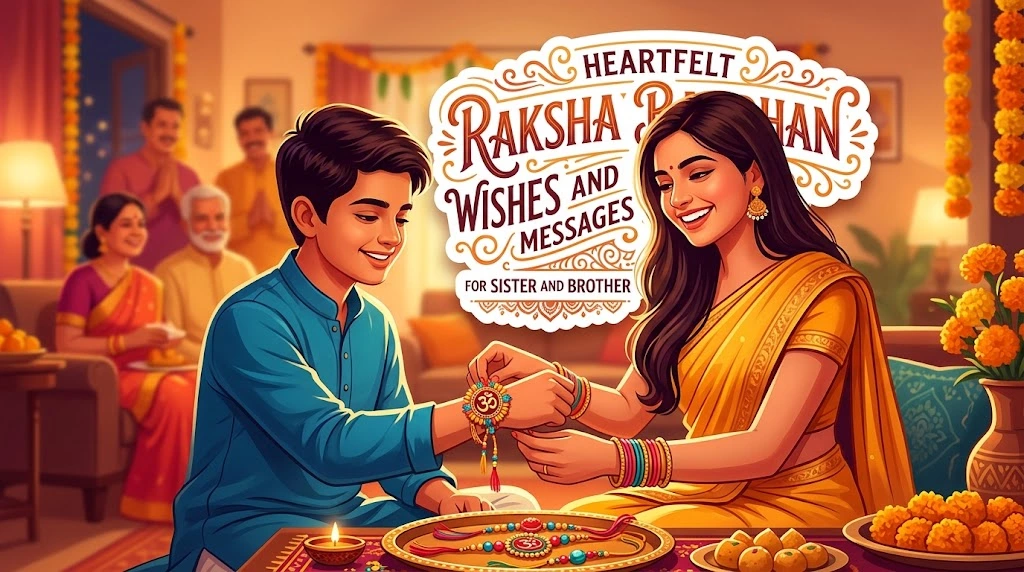
A heartfelt message can make a Raksha Bandhan celebration even more personal. You do not need complicated words. The best wishes often sound natural and sincere.
For a brother, a sister might write:
Happy Raksha Bandhan to the brother who has always been my protector, supporter, and friend. May life always bring you happiness and success.
Another simple message could be:
No matter how much we grow or how far life takes us, you will always be an important part of my story. Happy Raksha Bandhan.
For a sister, a brother might say:
You have filled my childhood with memories and my life with love. I am grateful to have you as my sister. Happy Raksha Bandhan.
A short message can also be meaningful:
Our childhood memories may change with time, but our bond will always remain special. Happy Raksha Bandhan 2026.
The best Raksha Bandhan wishes are those that reflect the actual relationship between siblings. A funny message may suit one family, while an emotional message may feel better for another.
Meaningful Rakhi Gift Ideas for Brothers and Sisters
Gift giving is an enjoyable part of Raksha Bandhan, but the most valuable gift does not have to be expensive.
A thoughtful gift should match the personality and interests of the person receiving it.
For a brother, possible Rakhi gift ideas include a wallet, watch, book, grooming kit, personalized accessory, useful gadget, or something connected to his favorite hobby.
For a sister, thoughtful options include jewelry, a handbag, books, skincare products, personalized accessories, stationery, or a gift based on her interests.
Personalized gifts can have special emotional value. A framed childhood photograph, customized diary, memory box, or photo collage can remind siblings of their shared journey.
Experiences can also make wonderful gifts. A sibling lunch, movie outing, short trip, shopping day, or favorite restaurant visit may create memories that last longer than a physical present.
The goal is not to impress someone with the price tag. The goal is to show that you know them and appreciate them.
Raksha Bandhan Family Celebration Ideas
Raksha Bandhan becomes even more enjoyable when the whole family participates.
One simple idea is to organize a family breakfast or lunch after the Rakhi ceremony. Everyone can contribute a favorite dish or dessert.
Families can also create a small photo corner. Old childhood photographs can be displayed beside new family pictures. This creates a beautiful visual story of how siblings have grown over the years.
Another idea is to create a family memory session. Each sibling can share a favorite childhood memory. Parents and grandparents can also tell stories about earlier family celebrations.
For larger families, a friendly game or quiz about siblings can bring plenty of laughter. Questions can focus on childhood habits, favorite foods, funny incidents, or memorable family trips.
If relatives live nearby, families can organize a shared Raksha Bandhan gathering instead of celebrating separately.
The most important thing is to create time for conversation. A celebration does not need to be expensive or elaborate to feel special.
Raksha Bandhan Food, Sweets, and Festive Preparations
Food is an important part of many Indian festivals, and Raksha Bandhan is no exception.
Families may prepare traditional sweets such as laddoos, barfi, kheer, gulab jamun, or other regional favorites. Some households also prepare savory dishes for a larger family meal.
Preparing food together can become part of the celebration itself.
Children can help decorate sweets or arrange the dining table. Siblings can cook a favorite family recipe together. Parents and grandparents can share recipes that have been passed down through generations.
For a modern celebration, families can also combine traditional dishes with contemporary desserts and snacks.
The idea is to make the meal feel festive without creating unnecessary pressure.
A simple homemade dessert can carry more emotional value than an expensive restaurant meal because it may remind everyone of family traditions and childhood celebrations.
Rakhi Shopping and Choosing the Right Rakhi
Choosing a Rakhi can be one of the most enjoyable parts of preparing for the festival.
Traditional Rakhis often feature colorful threads, beads, religious symbols, or decorative elements. Modern designs may include personalized names, photographs, minimalist patterns, or stylish bracelet-style designs.
The right Rakhi depends on personal preference.
A child may enjoy a colorful Rakhi featuring a favorite character. An adult sibling may prefer a simple handmade design. Some people choose eco-friendly Rakhis made from natural or reusable materials.
It is also worth considering comfort. A Rakhi should be comfortable enough to wear throughout the day.
If siblings live far apart, ordering the Rakhi early can help avoid last-minute problems with delivery.
For families celebrating together, shopping for Rakhis can become a shared activity. Brothers and sisters can even choose Rakhis for each other, turning preparation into another memory.
Modern Raksha Bandhan Celebrations in 2026
Modern lifestyles have changed the way many families celebrate Raksha Bandhan, but they have not removed the emotional importance of the festival.
Long-distance siblings can celebrate through video calls. A sister can perform the Rakhi ceremony virtually while sending the physical Rakhi beforehand. Gifts can be delivered directly to a sibling’s home.
Personalized digital greetings are also popular. Families can create photo collages, short videos, digital cards, or memory reels featuring childhood photographs.
Some siblings choose to celebrate with an experience instead of a traditional gift. They might plan a dinner, weekend outing, activity day, or virtual movie night.
Eco-conscious families may select sustainable Rakhis and reduce unnecessary packaging.
The modern celebration does not have to replace tradition. Instead, technology can help families preserve tradition when distance makes physical gatherings difficult.
What matters is making an effort to connect.
Raksha Bandhan for Long-Distance Siblings
Distance can make festivals emotional, especially when siblings cannot return home.
Fortunately, Raksha Bandhan can still be celebrated meaningfully from different locations.
A Rakhi can be sent in advance. A handwritten letter can accompany it. A video call can be arranged around the traditional ceremony time. Family members can join the call together so that everyone feels included.
Another meaningful idea is to recreate an old childhood tradition from a distance. Siblings could order the same meal, watch an old family video, or share photographs from previous Raksha Bandhan celebrations.
A small surprise can also make the day memorable. A favorite dessert, personalized gift, or unexpected message can remind a sibling that they are being remembered.
Distance changes the format of the celebration, but it does not have to weaken the relationship.
Sometimes, a simple phone call saying “I miss you” can mean more than an elaborate celebration.
Why Raksha Bandhan Remains Important Today
In a fast-moving world, festivals can provide something that everyday life often lacks: intentional time with loved ones.
People are busy with work, education, social commitments, and digital distractions. Siblings may speak regularly but still struggle to spend meaningful time together.
Raksha Bandhan creates a reason to stop and reconnect.
Its importance also comes from its emotional simplicity. The festival does not require siblings to have perfect relationships. Like all families, siblings can disagree. They can have different personalities and lifestyles.
Yet the festival encourages appreciation.
It reminds siblings to remember the good moments, acknowledge each other’s support, and make space for family.
For younger generations, Raksha Bandhan can also be a way to learn about Indian traditions. Parents and grandparents can explain the meaning of the Rakhi ceremony, traditional stories, family customs, and regional practices.
This helps cultural traditions remain meaningful rather than becoming simple rituals repeated without understanding.
How to Make Raksha Bandhan 2026 Truly Memorable
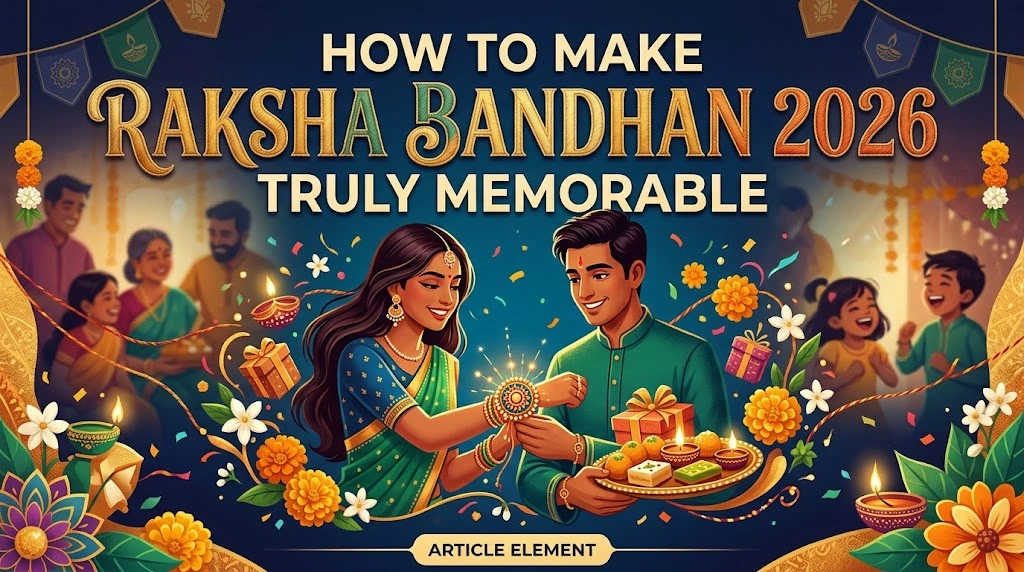
A memorable Raksha Bandhan does not depend on a large budget or an elaborate event.
Start by focusing on the people.
Plan the day around quality time. Put phones away for part of the celebration. Look through old photographs. Talk about childhood memories. Prepare a favorite family dish. Write a personal Raksha Bandhan message.
You can also create a small sibling memory box. Add photographs, handwritten notes, old movie tickets, childhood drawings, or other meaningful reminders of shared experiences.
Another idea is to record a short family video. Each sibling can say something they appreciate about the others. Years later, that recording may become a treasured family memory.
If the family is gathering in person, take photographs before everyone leaves. If siblings are far apart, take screenshots from a video call or create a shared digital album.
Most importantly, do not let the search for a perfect celebration become stressful.
Raksha Bandhan is about relationships, not perfection.
Conclusion: Celebrating Raksha Bandhan 2026 With Love
Knowing when is Raksha Bandhan 2026 is only the beginning of preparing for this meaningful festival. In India, Raksha Bandhan will be celebrated on Friday, August 28, 2026, bringing brothers, sisters, and families together to honor a bond that often begins in childhood and continues throughout life.
The Rakhi ceremony carries a simple but powerful message. It represents love, blessings, care, and a lasting connection between siblings. From traditional prayers and sweets to heartfelt messages, thoughtful gifts, family meals, and modern video-call celebrations, there are many ways to make the day special.
The most meaningful part of Raksha Bandhan is not the Rakhi itself or the value of a gift. It is the feeling behind the gesture.
It is remembering the sibling who shared your childhood. It is appreciating the person who supported you when life became difficult. It is laughing about old memories and creating new ones.
Whether siblings celebrate under the same roof or from different parts of the world, Raksha Bandhan 2026 offers a beautiful opportunity to pause and celebrate family relationships.
A thread may be small, but the love and memories attached to it can last a lifetime.
FAQs About Raksha Bandhan 2026
When is Raksha Bandhan 2026?
Raksha Bandhan 2026 will be celebrated on Friday, August 28, 2026, in India. It falls on Shravana Purnima, the full moon day of the Hindu month of Shravana.
What is the significance of Raksha Bandhan?
Raksha Bandhan celebrates the loving bond between siblings. The Rakhi symbolizes affection, blessings, care, and a commitment to support one another. The festival also brings families together and keeps cultural traditions alive.
What are the main Raksha Bandhan rituals and traditions?
Common traditions include preparing a Puja thali, applying a tilak, tying the Rakhi, offering prayers, exchanging sweets, giving gifts, and seeking blessings from elders. Customs can vary between families and regions.
What are good Rakhi and gift ideas for siblings?
Popular options include traditional or personalized Rakhis, jewelry, watches, books, wallets, useful accessories, personalized photo gifts, hobby-related presents, and experience-based gifts such as a family dinner or outing.
How can siblings celebrate Raksha Bandhan in modern ways?
Siblings who live apart can use video calls, send Rakhis and gifts in advance, create digital photo albums, exchange personalized video messages, or plan virtual activities. Families living together can combine traditional rituals with modern games, photography, and shared experiences.